I landed in Missoula sometime around midnight on Saturday, July 11.
For a place I had been looking forward to seeing for months, my first impression was…pretty much nothing.
It was dark. The shops and restaurants were closed. I couldn’t see the mountains, couldn’t really make out the skyline, and had absolutely no sense of the place I had just arrived in. I grabbed my bags, tipped my Uber driver, climbed the 38 stairs to my Airbnb, found my room, and went to bed.
Or at least I tried to.
I had never really been out West to explore the Rockies, and Montana is one of those places people seem to talk about differently.
Big Sky Country.
Mountains. Rivers. Wildlife. Public land.
There is almost a mythology surrounding the place. And then Yellowstone premiered and apparently convinced half the country that they needed to move to Montana and become ranchers.
I wasn’t there to play criminal cowboy.
(Don’t get it twisted—I find the show entertaining.)
Still, I had been looking forward to this trip for a long time, and despite getting in around midnight, after an exhausting day of travel, I only slept for a few hours.
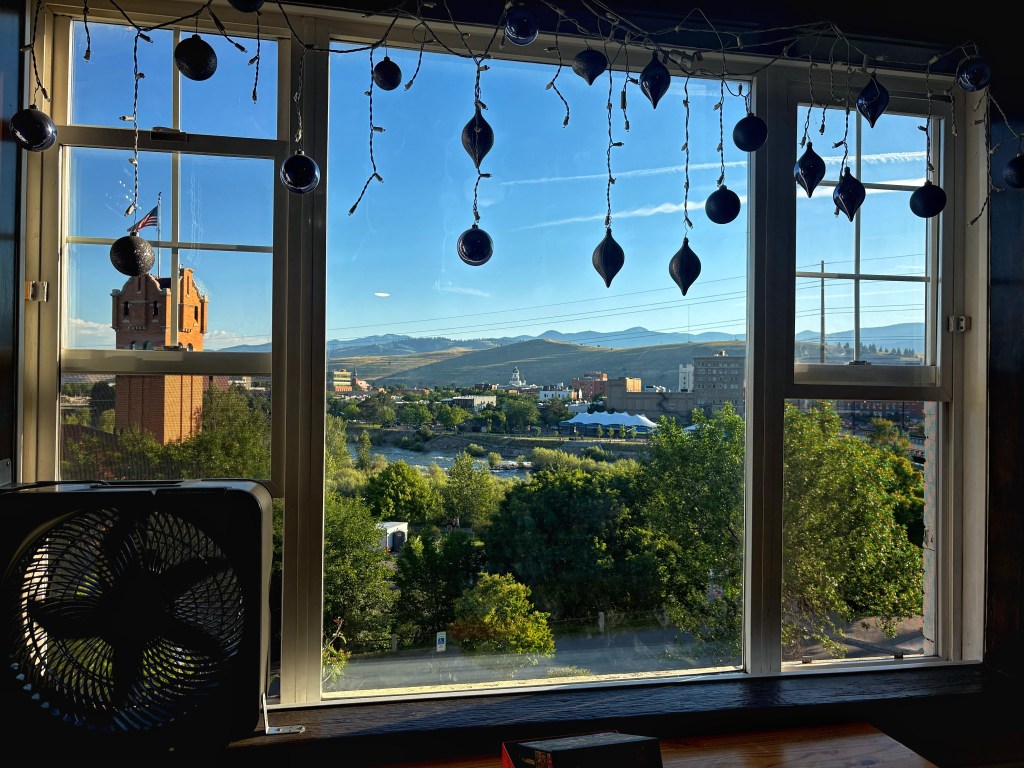
Around 6 a.m., I woke up, walked down the hallway of my third-story Airbnb, and looked through the fire-escape door that was always propped open.
And there it was.
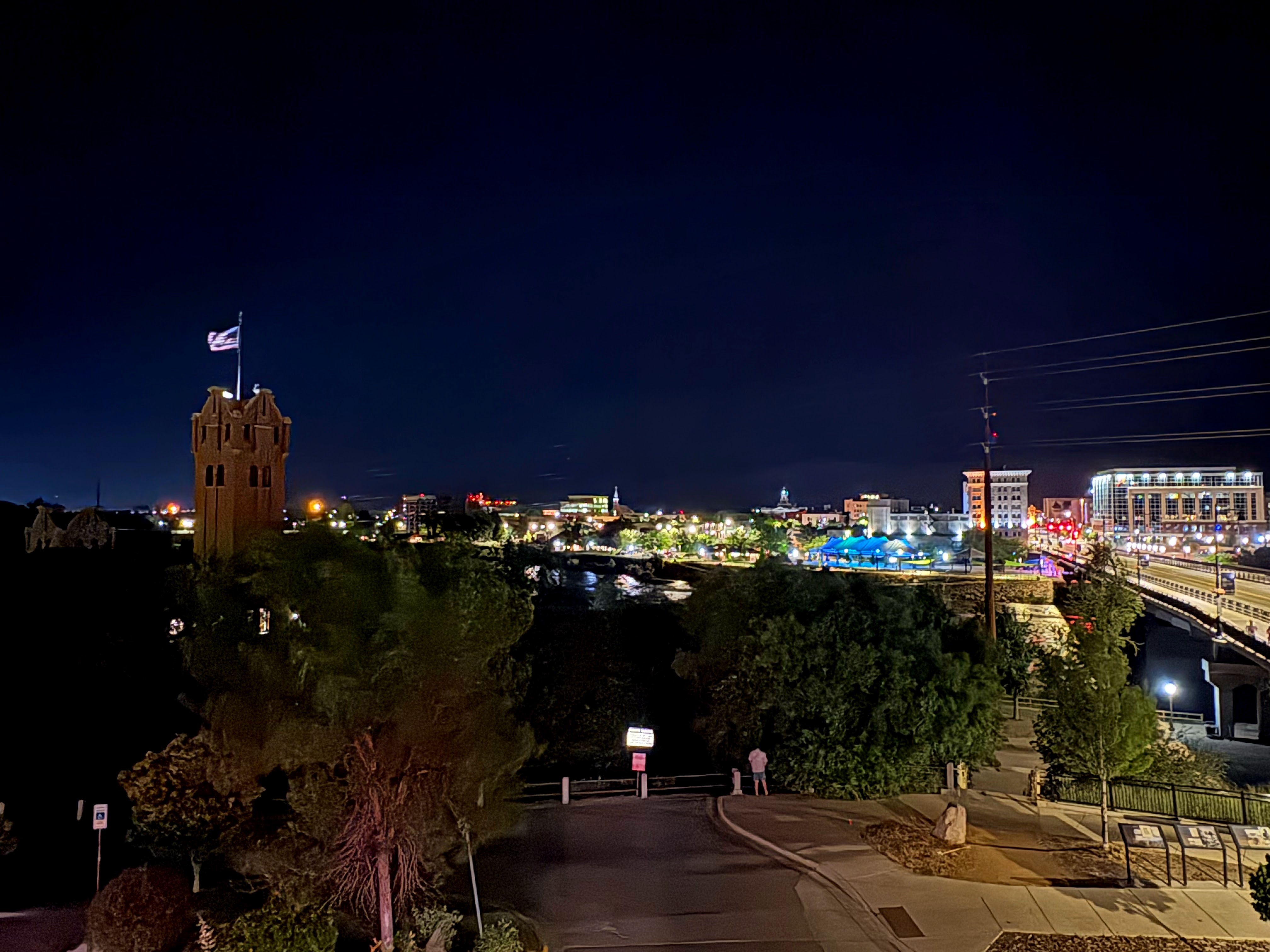
Below me was the Clark Fork River. Beyond it was downtown Missoula. And behind the entire scene was a wall of mountains I hadn’t even known were there when I went to sleep.
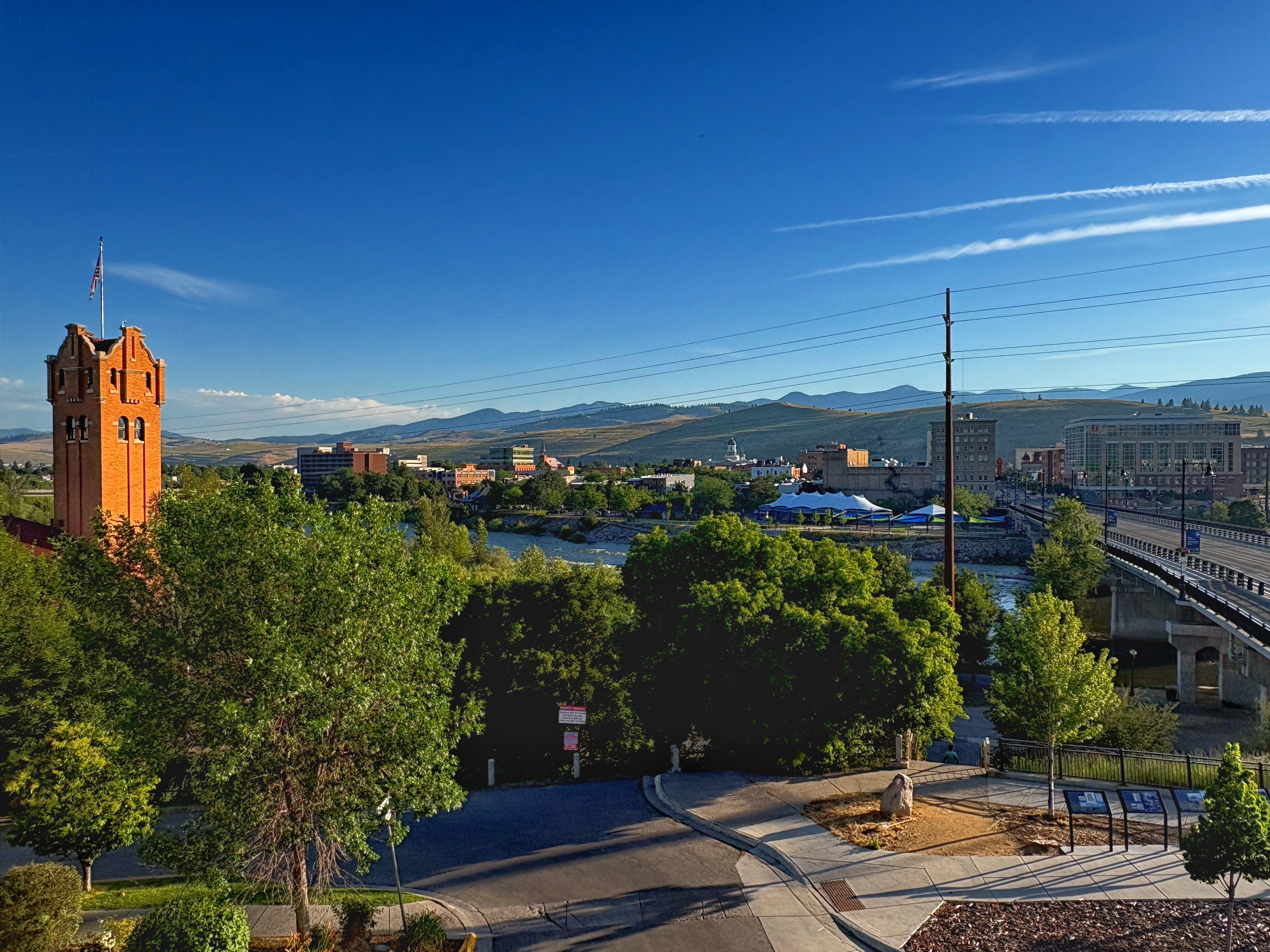
This is my home for the next three weeks.
I just stood there staring.
And then, probably several times: “This is f$#@&g awesome.”
Getting My Bearings
I didn’t really have a set plan for that first day.
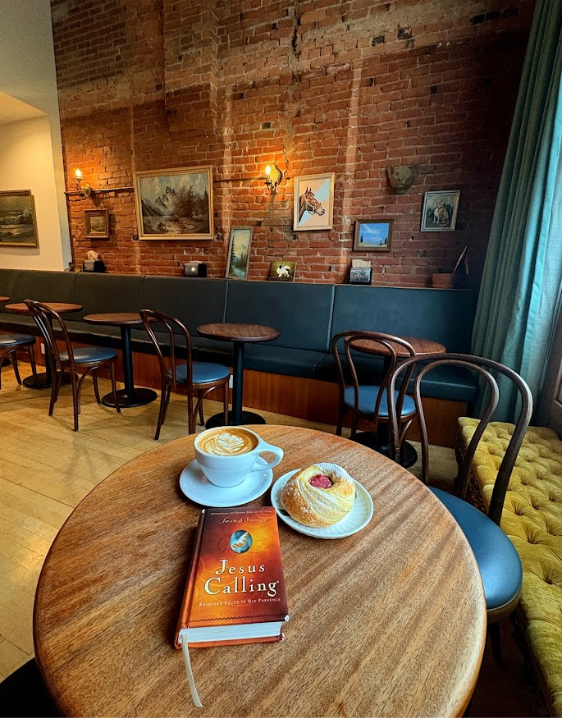
I walked around the corner, grabbed a coffee, and then just…started walking.
I followed the Clark Fork, wandered through downtown, stopped for lunch at Midtown Market, grabbed a beer at Tamarack Brewing, eventually made my way over to the Good Food Store, and explored just about everything I could find in between.
By the end of the day, I had walked more than 31,000 steps.
The strange thing was that I hadn’t been trying to walk 31,000 steps.
There was no fitness goal involved. I wasn’t checking my watch trying to hit some arbitrary number.
I was just exploring.
That became a theme during my entire time in Missoula. I averaged about 25,000 steps a day throughout the trip, mostly because walking felt like the natural way to get around.
Ya know—the transportation God equipped us with.
Sometimes I think we forget that we can actually get places without a motor.
The Clark Fork River Trail runs through town. Everywhere I looked, people were outside, enjoying the day. Coffee shops and restaurants spilled out onto sidewalks and patios. And there was almost always somebody coming up behind me saying, “On your left,” before cruising past on some sort of unmotorized wheels.
Coming from South Texas, the contrast was hard to miss.
Over the past two years, I’ve become accustomed to brush, shrubs, heat, long roads, and landscapes that seem to stretch horizontally forever. Missoula felt almost completely opposite.
Mountains surrounded the valley.
Huge trees lined the streets.
The Clark Fork cut straight through the middle of town.
And the mountains did something to me that is difficult to explain.
They made me feel calm.
They made me feel peaceful.
They made me feel…right.
Some landscapes do that to me. Large forests, oceans, wild places, and apparently mountains have a way of producing this weird sense of being at home, even when I’m thousands of miles from it.
I was happy to feel that again.
Every morning on my walk to work, it was almost impossible not to feel grateful.
I would look around and think:
This is my walk to work every day?
Without ever intending for it to be, that walk became a small daily exercise in gratitude.
Why I Was in Montana in the First Place
Of course, I hadn’t flown across the country just to drink beer and stare at mountains.
Although, admittedly, I’m pretty good at both.
I was there for javelina.
Somehow, an animal of the deserts and brushlands of the Southwest had brought me all the way to Montana, far north of anywhere a javelina would probably ever voluntarily choose to live.
I don’t think they’d be big fans of the winters. Or the grizzlies.
Our South Texas javelina research involves collaboration with researchers at the University of Montana who specialize in population ecology and population modeling. Another graduate student on the project and I traveled to Missoula for three weeks to work directly with one of our principal investigators and our project’s postdoctoral researcher.
Basically, the four of us had two weeks set aside to sit around and talk about javelina.
Data.
Models.
Population estimates.
Detection probability.
Dissertation chapters.
Analysis opportunities.
All the nerdy wildlife biology stuff that would probably make a normal person’s eyes glaze over.
Animal captures and wild landscapes might make for better pictures, but sooner or later every wildlife project leads to a few people staring at spreadsheets and computer code trying to convince the data to give up its secrets.
For us, it was fantastic.
Research collaborations often happen through emails, Teams meetings, shared documents, and quick conversations squeezed between a dozen other responsibilities. This was different.
For the first time, we had an extended period set aside where the four of us could actually sit together, pull ideas apart, ask questions, draw things out, revisit assumptions, and figure out what our data could actually tell us.
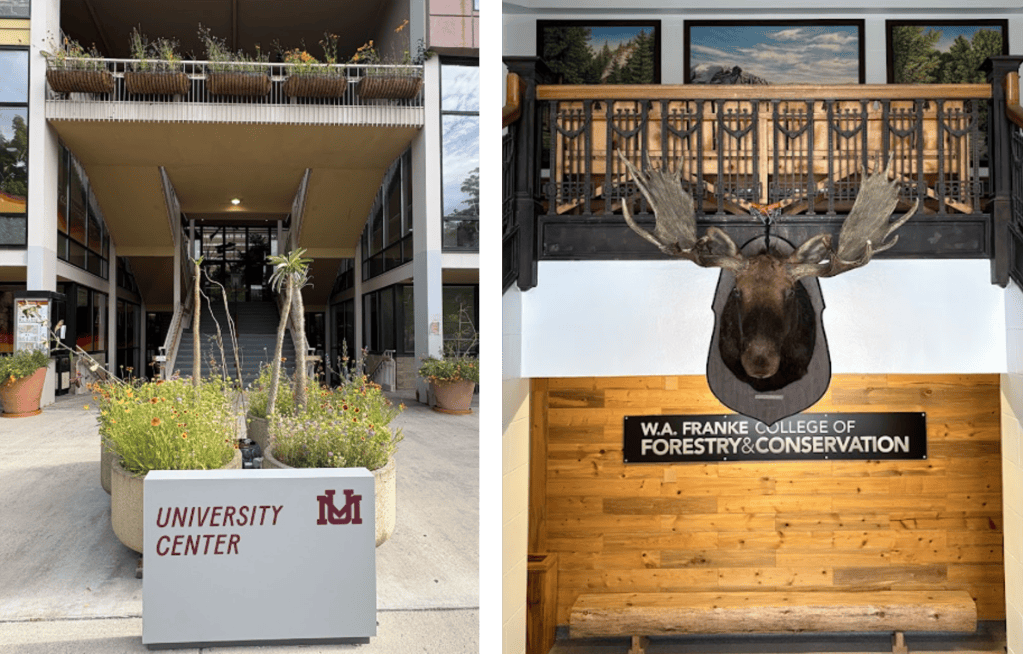
By the time I left Montana, I had a much better grasp of where my dissertation chapters were headed, what I needed to prioritize over the coming year, and where some of the most interesting questions in our research might be hiding.
But just as importantly, I left with stronger relationships.
Science is collaborative. We focus so much on data that it’s easy to forget how much research depends on people. People willing to share ideas, challenge one another, teach one another, spend an unreasonable amount of time discussing statistical models, and sometimes respectfully arguing.
Fortunately, we didn’t have to do too much arguing this time around.
And every morning, I got to walk along the Clark Fork River on my way there.
Not a bad commute.
A City Built Around Being Outside
The longer I stayed in Missoula, the more fascinated I became by the rhythm of the place.
This wasn’t some tiny mountain village isolated from modern society.
Missoula is a city.
There are shopping centers, traffic, chain restaurants, businesses, grocery stores, tourists, bars, breweries, cocktail lounges, coffee shops, boutiques, and pretty much everything else you expect to find in a modern city.
And that is exactly what made it so interesting to me.
Because somehow, woven through all of that, outdoor recreation didn’t feel like a separate activity.
It felt like a way of life.
People walked to work.
People biked everywhere.
People walked their dogs constantly.
People sat outside coffee shops talking.
They ate outside.
They gathered in parks.
They read on the grass.
And then there was the river.
At seemingly every hour of the day, somebody was floating the Clark Fork.
Tubes.
Rafts.
Kayaks.
Paddleboards.
Some people seemed to be out there looking for peace and solitude. Some were with groups of friends drinking and laughing. Others looked like they had simply gotten off work and decided the river was where they wanted to spend the rest of their afternoon.
Different reasons.
Same river.
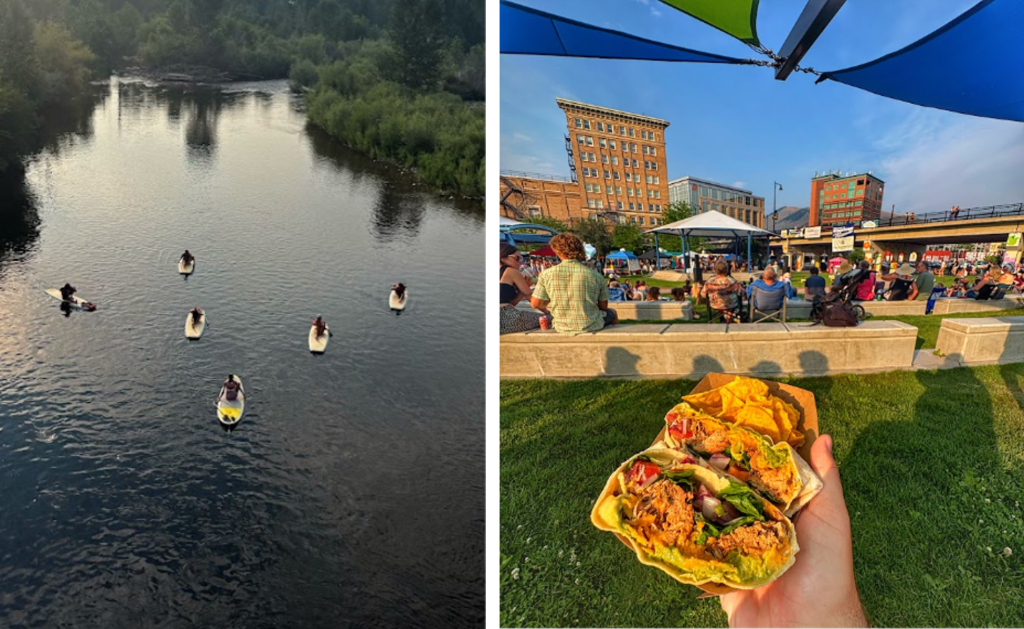
Missoula also hosts community events throughout the summer, with live music, food trucks, drinks, and people gathering downtown along the river.
But one of the evenings that stuck with me most wasn’t an event at all.
It was just a random Tuesday.
There were people playing instruments. Another group was juggling. People were hula-hooping. Skaters were attempting tricks at the skate park. Others were playing chess. Some were reading. Groups were scattered around the lawn just hangin’ around.
Nothing particularly extraordinary was happening.
But underneath all of those different activities, I noticed something they had in common.
People were talking to each other.
They were connecting.
They were actually there.
And I remember looking around and realizing that I could barely see anyone staring at a phone.
Now, I’m sure Missoula has plenty of screen addiction. I was there for two weeks, not conducting a peer-reviewed study on cell-phone usage.
But the observation stayed with me.
Because it made me wonder whether something else was happening.
Maybe these people weren’t inherently better at staying off their phones.
Maybe the physical world around them was simply doing a better job competing for their attention.
When there is a river flowing through downtown, mountains on the horizon, friends floating by on tubes, dogs walking beside you, people playing music in the park, and a sunset that seems to last forever, maybe the little glowing rectangle in your pocket becomes slightly less interesting.
And that made me wonder how much of the way we live is actually determined by individual discipline—and how much is determined by the environments we build around ourselves.
I wasn’t walking 25,000 steps every day because I had suddenly developed incredible discipline.
The environment made walking easy.
More importantly, it made walking enjoyable.
I wasn’t forcing myself to “spend more time outside.”
I was simply living somewhere where being outside was naturally woven into the day.
There is a difference.
The River
I spent time sitting beside the Clark Fork every day.
Sometimes I watched people floating past.
Sometimes I watched ducks or the local beaver doing his thing.
Sometimes I watched people surf the standing river wave.
Sometimes I didn’t do much of anything.
There was one thought that kept coming back to me while watching the water.
The river I was looking at in that exact moment had never existed before.
And it would never exist again.
The rocks were the same. The banks were mostly the same. We give the river one name and think of it as one permanent thing:
The Clark Fork River.
But the water in front of me was constantly changing.
Every ripple, reflection, swirl, and current existed for only an instant before becoming something else.
The exact way that river looked while I sat there had happened once in the entire history of the world.
And somehow, I happened to be there to see it.
A second later, it was gone.
There was something strangely comforting about that.
We spend an incredible amount of effort trying to hold onto things.
Photos.
Videos.
Memories.
Moments.
Experiences.
Sometimes I think we become so concerned with preserving a moment that we forget to actually experience it while it’s happening.
But a river doesn’t give you that option.
It keeps moving.
Maybe presence isn’t about making a moment permanent.
Maybe it’s about recognizing that you can’t.
You just get to witness it.
<Insert close up photo of river> – How ironic would that be!
A Landscape With a Much Longer Story
Of course, sitting beside the Clark Fork also made me curious about who else had sat beside these rivers and looked toward these mountains long before I ever showed up.
Missoula’s story certainly didn’t begin when it became a city.
The University of Montana acknowledges that it sits within the ancestral territories of the Séliš (Salish) and Ql̓ispé (Kalispel) peoples. These valleys, rivers, and mountain passes were homelands and travel corridors long before names like “Missoula,” “Montana,” or “Clark Fork” appeared on maps. The University of Montana’s land acknowledgment provides a good place to learn more.
The landscape also intersects with one of the best-known journeys in American history.
Just south of present-day Missoula, near Lolo, sits Travelers’ Rest. Lewis and Clark’s Corps of Discovery camped there before attempting the difficult crossing of the Bitterroot Mountains in September 1805 and returned again on their journey home in 1806. It remains the only archaeologically verified campsite of the expedition. The National Park Service has more on Travelers’ Rest here.
That history is fascinating, especially if—like me—you grew up hearing Lewis and Clark primarily as an adventure story.
But there is another part of this landscape’s history that deserves attention too.
In 1891, the U.S. government forcibly removed roughly 300 Bitterroot Salish people from their homeland in the Bitterroot Valley and moved them north toward the Flathead Reservation. Part of that procession crossed the Clark Fork in Missoula near what was then Higgins Avenue Bridge. Today, that crossing is commemorated by the name Beartracks Bridge, honoring the Beartracks family and the Salish history connected to the place.
That history changes the way you think about a landscape.
The mountains I found beautiful were not newly discovered scenery.
People had histories there.
Families had histories there.
Entire cultures had relationships with those valleys, rivers, and mountains long before I arrived with a backpack and camera thinking:
Wow, this place is incredible.
That history became even more tangible when I took a day trip into the mountains northeast of Missoula to Garnet Ghost Town.
Walking into Garnet felt almost like stepping into a time machine and traveling back in time more than 100 years.
At its peak in the late 1890s, nearly 1,000 people lived there. There were mines, hotels, stores, a school, barber shops, a blacksmith, and more saloons than any town probably needed.
But what struck me wasn’t simply that those things existed.
It was realizing that people actually lived ordinary lives here.
Kids went to school. Miners went to work. People bought groceries, got haircuts, drank at the saloon, raised families, and complained about whatever people complained about in 1898.
None of it was a movie set.
It was just a place frozen in time.
Walking through the preserved buildings made that surprisingly difficult for me to comprehend. You can stand inside the old hotels and saloons, walk past the places where people worked, and see objects that were once part of somebody’s completely normal life.
One thing that really stuck with me was seeing old mathematics books from the late 1800s. They looked strangely similar to the old math books my grandfather kept on a shelf in his basement.
That tiny connection made the past feel much closer.
The height of Garnet and my own birth are separated by only about a century. On the scale of human history, that really isn’t very long.
Maybe history feels ancient because we usually experience it as dates and paragraphs in books.
A worn staircase feels different.
So does a school desk.
Or a math book that looks unexpectedly familiar.
Those things collapse time.
Garnet declined as mining slowed in the early 1900s, then experienced a brief resurgence during the 1930s before gradually fading again. And I couldn’t stop thinking about what that transition must have looked like—not all at once, but slowly.
One family leaves.
Then another.
A mine closes.
Fewer children show up to school.
Another business goes quiet.
Until eventually, a place that had once been someone’s entire world becomes a place strangers drive into the mountains to visit.
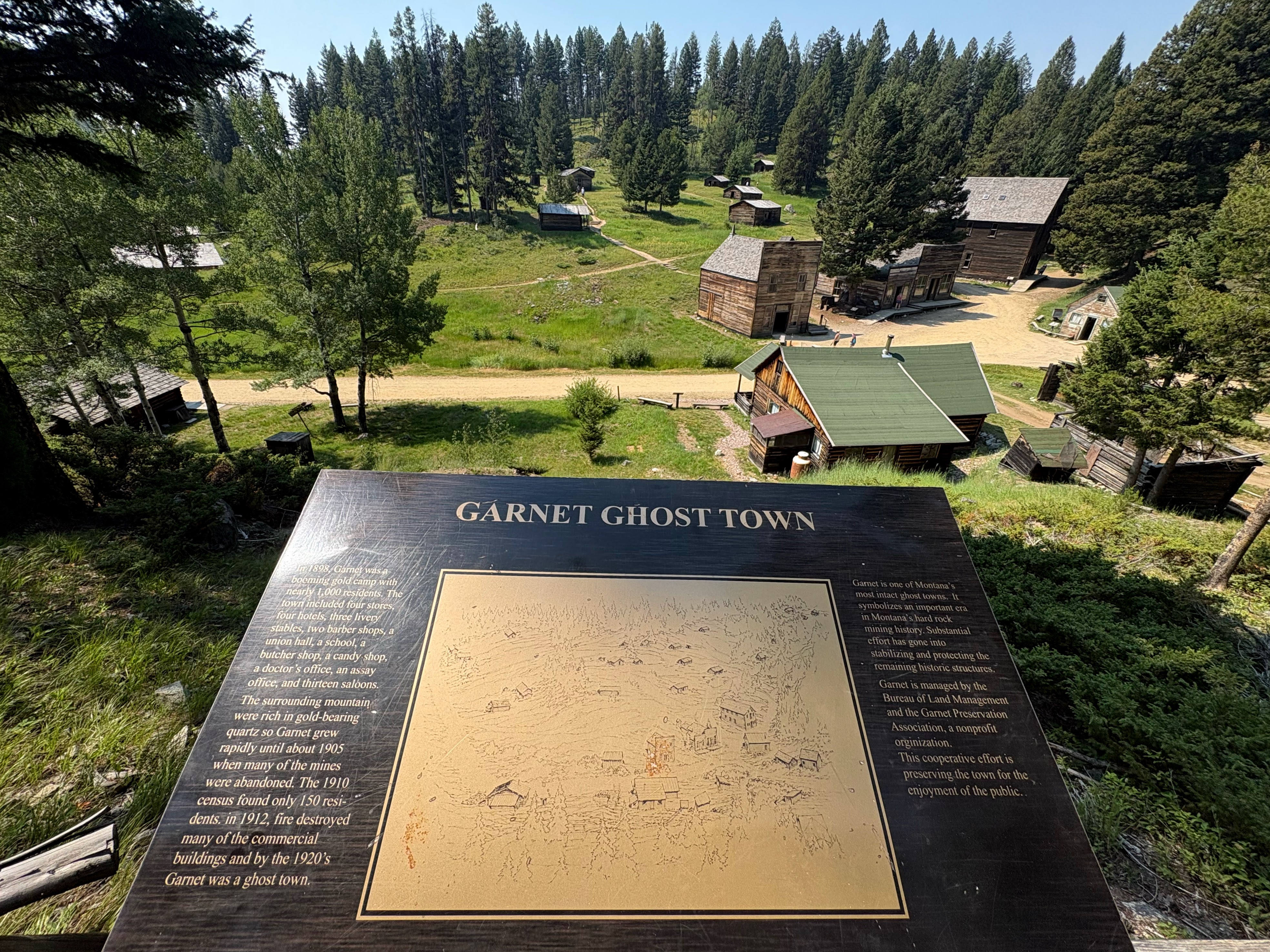
I kept imagining what it would have been like to grow up somewhere like Garnet while it was still a functioning town.
You go to school there.
Your family works there.
You know the shopkeepers and your neighbors.
Then, little by little, the place you know begins to disappear around you.
Eventually, strangers arrive with cameras to walk through the buildings you once simply called home.
That is crazy to think about.
We move through our own communities as though they’re permanent because they have existed for as long as we’ve needed them to.
Garnet’s residents probably felt the same way.
Maybe permanence is partly an illusion created by the shortness of a human life.
People come and go.
Towns rise and fall.
Landscapes outlast us.
And someday, the places that feel completely ordinary to us will be someone else’s history.
And if you want to take that timeline back really far, Missoula’s history is literally written across the mountains.
Near the end of the last Ice Age, an enormous body of water known as Glacial Lake Missoula covered much of this valley. Today, ancient shoreline marks called strandlines can still be seen running horizontally across mountains around the city, including Mount Sentinel—the mountain with the big white “M”—and Mount Jumbo. The National Park Service explains the glacial history here.
I love learning about the geologic timeline. It just blows my mind.
One afternoon I made the hike up toward the M on Mount Sentinel.
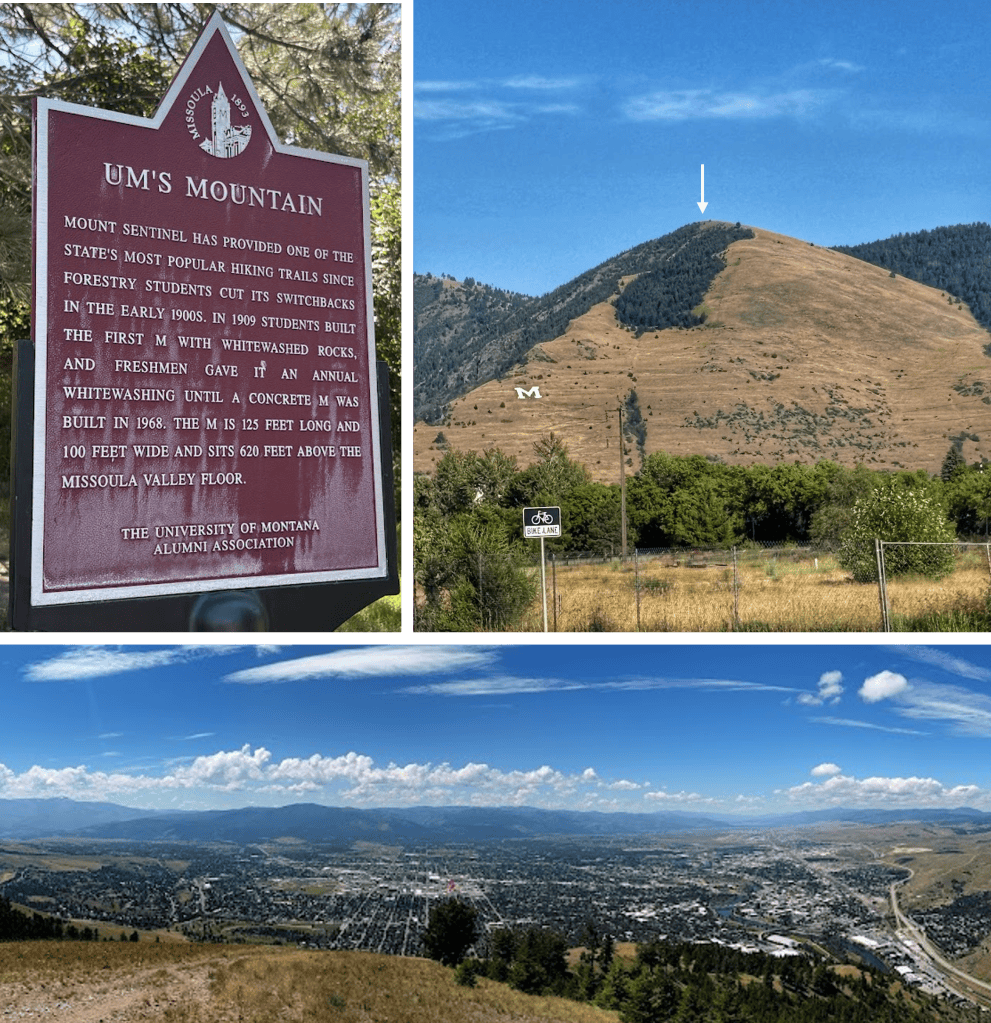
The M Trail climbs about 0.75 mile (1.2 km) through 13 switchbacks and gains a little over 600 feet (about 190 m) before reaching the M. If your legs still have something left, you can continue roughly another mile toward Mount Sentinel’s 5,158-foot (1,572 m) summit. The best part for me? The trailhead was only about 100 yards from the building where I was working. Not exactly something I have access to during the average workday in Texas.
From above, you can look down over modern Missoula—the streets, houses, university, river, bridges, and everything humans have built in the valley.
Then you realize the mountain you’re standing on still carries the scars of a lake that disappeared thousands of years before any of it existed.
That will put your little moment in time into perspective.
A Wildlife Biologist’s Kind of Town
There was another reason Missoula felt strangely familiar to me.
Wildlife conservation is everywhere.
The Rocky Mountain Elk Foundation is headquartered there, and so is the Boone and Crockett Club. Boone and Crockett’s headquarters sits along the Clark Fork River in the historic Milwaukee Depot—which, conveniently for me, was directly across the street from my Airbnb.
For someone whose life revolves around wildlife research, conservation, and thinking about how humans interact with wild places, being surrounded by that culture was refreshing.
But what impressed me most wasn’t any individual organization.
It was seeing what looked—at least through the eyes of a temporary visitor—like a community that hadn’t completely separated everyday human life from the landscape around it.
And that brought me back to the thought I kept returning to during those two weeks.
Maybe We Don’t Need to Escape Our Lives
We often talk about nature as somewhere we go.
We go hiking.
We go camping.
We go to the mountains.
We go to a national park.
We take a vacation and, often without even intending to, “reconnect with nature.”
Then we come home.
Maybe that’s part of the problem.
Because for those two weeks in Missoula, being outside wasn’t an event I had to schedule.
The river was on my way to work.
The mountains were outside the grocery store.
Walking was transportation.
Sitting outside was entertainment.
Watching the sunset was just something I did at the end of the day.
And I never missed one.
My Airbnb happened to have what I considered prime real estate for sunset watching. Every evening I would make my way toward the bridge and watch the sun disappear behind the mountains.
Because the summer days were so long, darkness didn’t really arrive until around 10 p.m. The mountains seemed to stretch sunset itself out. The sun would begin dropping behind the ridgelines, but the sky kept changing for what felt like another hour afterward.
Pink.
Orange.
Purple.
Then eventually that deep blue that tells you the day is finally finished.
So I stayed outside.
There was nowhere else I needed to be.
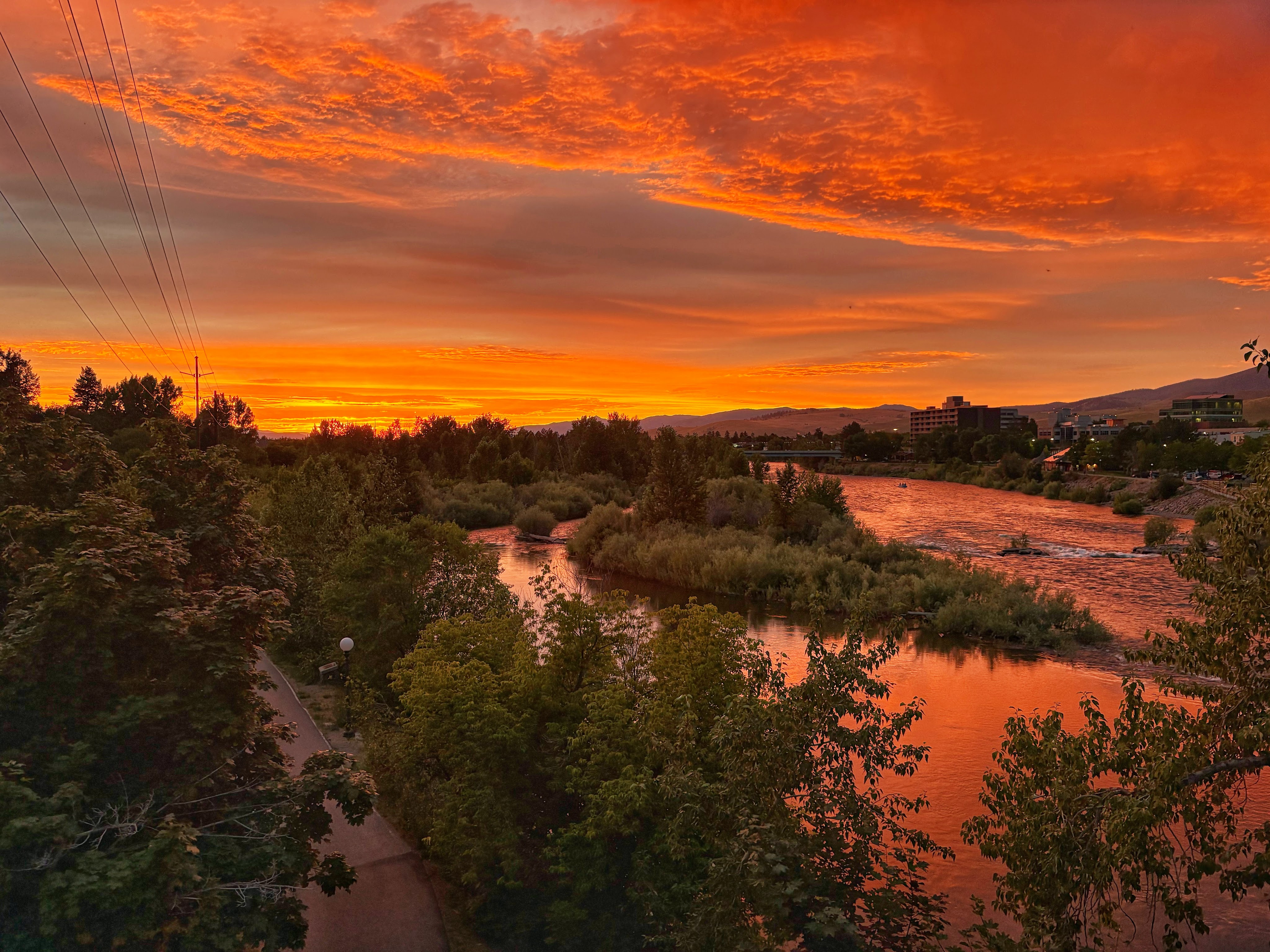
Somewhere during those evenings, I started wondering whether a healthy relationship with the natural world has less to do with constantly escaping civilization and more to do with how we build civilization in the first place.
Maybe “living well” isn’t only about having enough discipline.
Maybe it’s also about creating environments that make healthy choices natural.
Places where walking somewhere makes more sense than driving.
Where public spaces make strangers comfortable gathering.
Where rivers, trees, and parks aren’t pushed to the outskirts of town.
Where being outside isn’t something reserved for a Saturday morning hiking trip.
Where there are enough interesting things happening in the real world that our phones occasionally lose the competition for our attention.
Missoula certainly isn’t perfect.
No city is.
And two weeks as a summer visitor definitely doesn’t make me qualified to tell you what living there year-round is really like.
But Missoula showed me another possibility.
A city can still be a city while leaving room for something wild.
Maybe we don’t always need to escape our lives to reconnect with nature.
Maybe we need to build lives we don’t constantly feel the need to escape from.
Questions I’m Carrying With Me
What makes a place feel like home?
Is it simply familiarity—or can certain landscapes awaken something in us before we really understand why?
How much of living a healthy life comes down to individual discipline, and how much is shaped by the environments we create around ourselves?
If walking, community, time outside, and connection with nature are good for us, why do we build so many places where all four require deliberate effort?
What would our communities look like if the natural world wasn’t somewhere we traveled to visit, but something incorporated into our everyday lives?
Are people becoming less present because we lack self-control—or because we’ve created a world where a screen is often more interesting than whatever surrounds us?
What does it actually mean to belong to a landscape, especially when the same place can represent recreation, livelihood, ancestry, displacement, discovery, and home to different people?
And if every ripple in a river exists only once, how many completely ordinary moments in our own lives are we missing because we’re waiting for something more important to happen?
I don’t have the answers.
Just food for thought.
If You Want to Explore a Little Deeper
- Travelers’ Rest State Park — National Park Service — Lewis and Clark history and the much longer Indigenous history of the site.
- University of Montana — American Indian Gateway — UM’s land acknowledgment and information on its relationships with Tribal communities.
- Beartracks Bridge — Missoula County — history behind the bridge’s name and the 1891 forced removal of the Bitterroot Salish.
- Glacial Lake Missoula Strandlines — National Park Service — the ancient shorelines still visible on the mountains surrounding Missoula.
- Garnet Ghost Town — an old, abandoned gold-mining town in the mountains Northeast of Missoula.
If you’re still here, seriously, thanks for reading!
This is my first blog post, so I’m definitely figuring this whole thing out as I go. I have a few more of these coming, and I’m hoping to keep them in a similar style—share some cool places and experiences, talk about what I learned, and probably wander off into whatever random thoughts were going through my head along the way.
If you have access to this right now, chances are I sent it to you because I value your opinion. So if something worked, something didn’t, something was way too long, or you have an idea that could make these better, let me know. I can take it!
And if anything I wrote about made you stop and think for a second—or you want to talk about something I mentioned—reach out. That’s kind of the whole point of this thing anyway.
Thanks again for hanging out with me all the way to the bottom.
I’ll see ya on the next one!
Oh…and don’t forget to pray!
Happy Trails,
Edward
“Land is not merely soil, it is a fountain of energy flowing through a circuit of soils, plants and animals.” — Aldo Leopold


Leave a Reply